
Every insurance agency knows the renewal conversation is the most important call of the year. And yet for most agencies, it is also the least examined one.
A regional health insurance agency in Chicago had been experiencing a steady attrition problem during open enrollment. Retention rates had slipped over two consecutive years – not dramatically, but consistently enough to signal something structural. Leadership assumed it was a pricing problem. They were wrong.
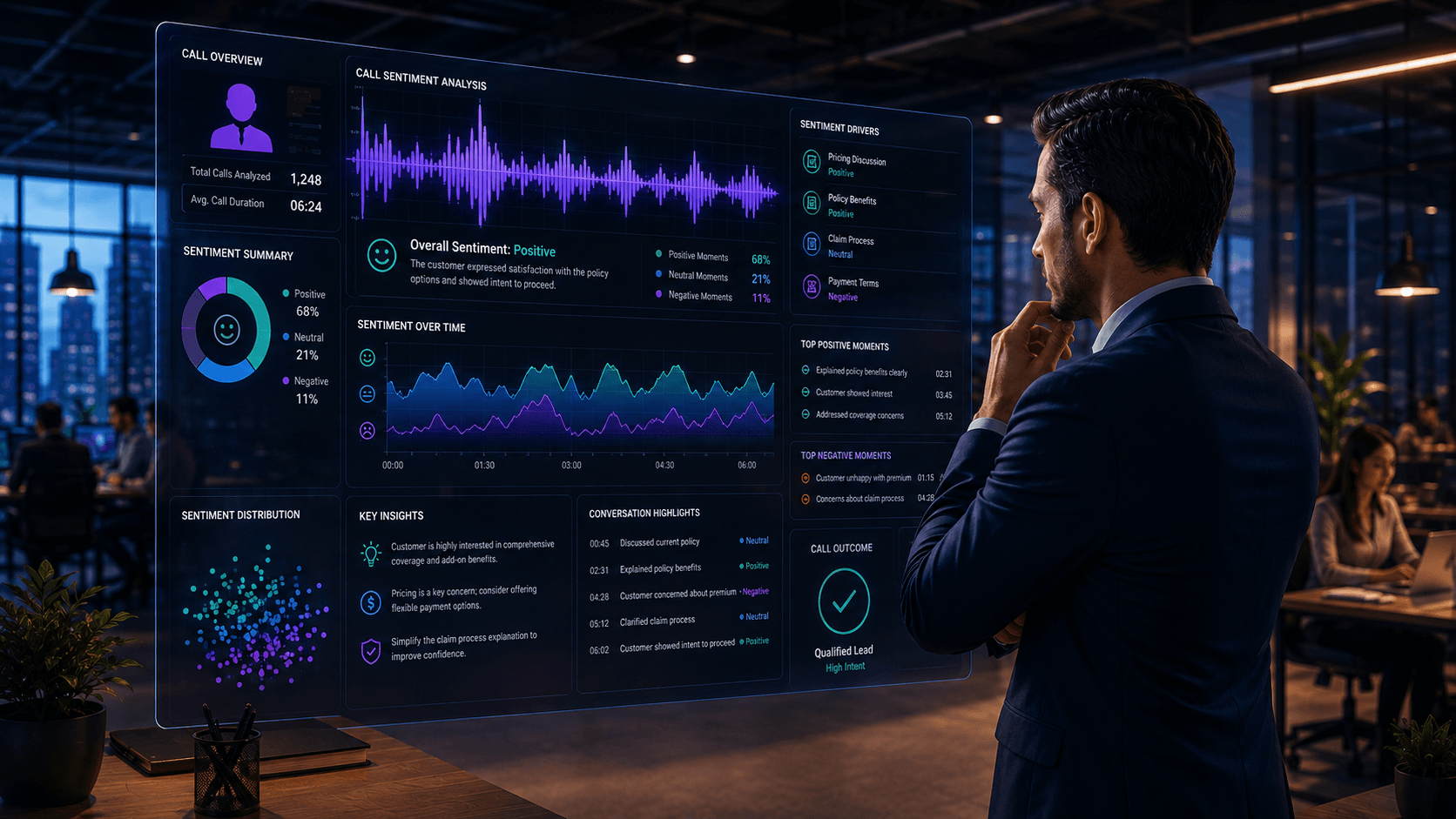
The agency’s sales manager oversees a team of 22 agents handling plan renewals, cross-sells, and new business across several employer group accounts. When the agency implemented CallVibe ahead of the third open enrollment season, what the AI surfaced in the first two weeks of call data rewrote the team’s understanding of why they were losing clients.
The pattern nobody had seen
The agency worked with their training team to restructure the renewal conversation based on what the call data showed. The revised approach began with genuine relationship questions – how the client had used their coverage over the past year, whether there had been any changes in their circumstances or those of their dependents, what was most important to them in maintaining coverage. Price was introduced only in response to a client-raised concern – not as an opening preemptive move.
CallVibe’s pattern detection helped the team validate the change. Within three weeks of rolling out the revised approach, call summaries were showing different client response patterns: higher engagement through the middle of conversations, fewer early sentiment drops, more instances of clients proactively confirming their renewal intent before the end of the call.
“We were used to coaching agents on what to say when things go wrong,” the sales manager reflected. “This gave us a way to identify what was going wrong before it was too late – and to fix the conversation structure rather than just the individual agent.”
Rebuilding the renewal script from call data
The agency worked with their training team to restructure the renewal conversation based on what the call data showed. The revised approach began with genuine relationship questions – how the client had used their coverage over the past year, whether there had been any changes in their circumstances or those of their dependents, what was most important to them in maintaining coverage. Price was introduced only in response to a client-raised concern – not as an opening preemptive move.
CallVibe’s pattern detection helped the team validate the change. Within three weeks of rolling out the revised approach, call summaries were showing different client response patterns: higher engagement through the middle of conversations, fewer early sentiment drops, more instances of clients proactively confirming their renewal intent before the end of the call.
“We were used to coaching agents on what to say when things go wrong,” the sales manager reflected. “This gave us a way to identify what was going wrong before it was too late, and to fix the conversation structure rather than just the individual agent.”
Open enrollment results
The changes were implemented four weeks before the open enrollment window opened. The results over that enrollment season:
Renewal retention improved by 20% compared to the prior year. The primary driver was a reduction in clients requesting plan comparison calls – a signal the agency had previously interpreted as healthy engagement, but call data revealed was most often triggered by the premature pricing conversation.
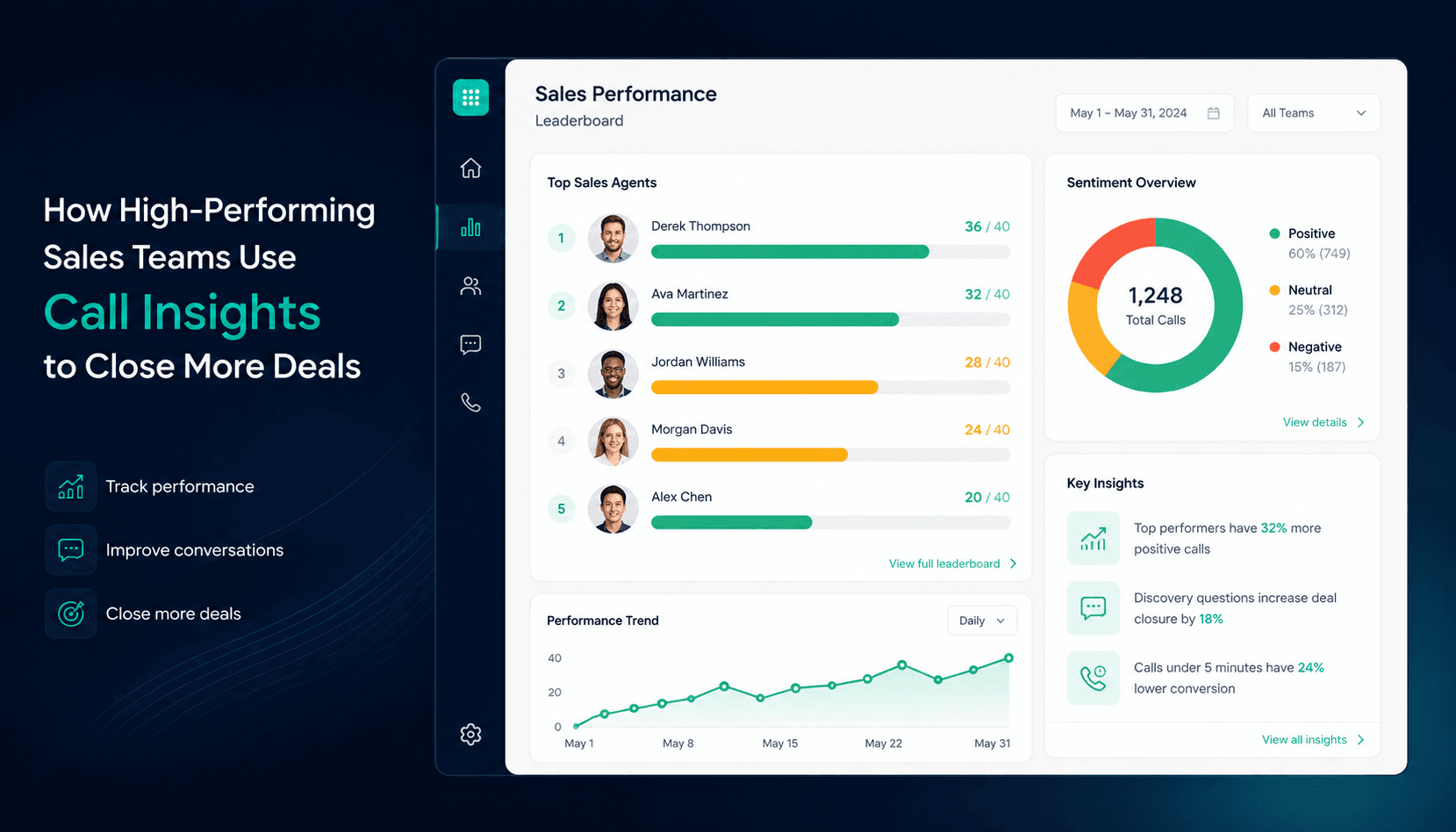
The number of agents consistently meeting retention targets increased from nine to fifteen. Coaching was now targeted: managers could identify which specific agents were still defaulting to the old conversation pattern and address it with transcript evidence rather than general feedback.
Cross-sell conversations improved as a secondary effect. Agents who were no longer spending the early portion of renewal calls on defensive pricing justification had more productive time to understand client circumstances – which created natural openings for supplemental coverage conversations where relevant.
The broader lesson for insurance sales leadership
Insurance renewal retention is a conversation quality problem, not primarily a price problem. Clients who feel heard, respected, and serviced, rather than sold at, renew at significantly higher rates. The challenge for agency principals and sales managers is that conversation quality is invisible at scale without the right tools.
Manual call monitoring covers a fraction of actual interactions. Manager ride-alongs create observer effects that change agent behaviour. Annual training addresses skills in the abstract rather than patterns in real conversations.
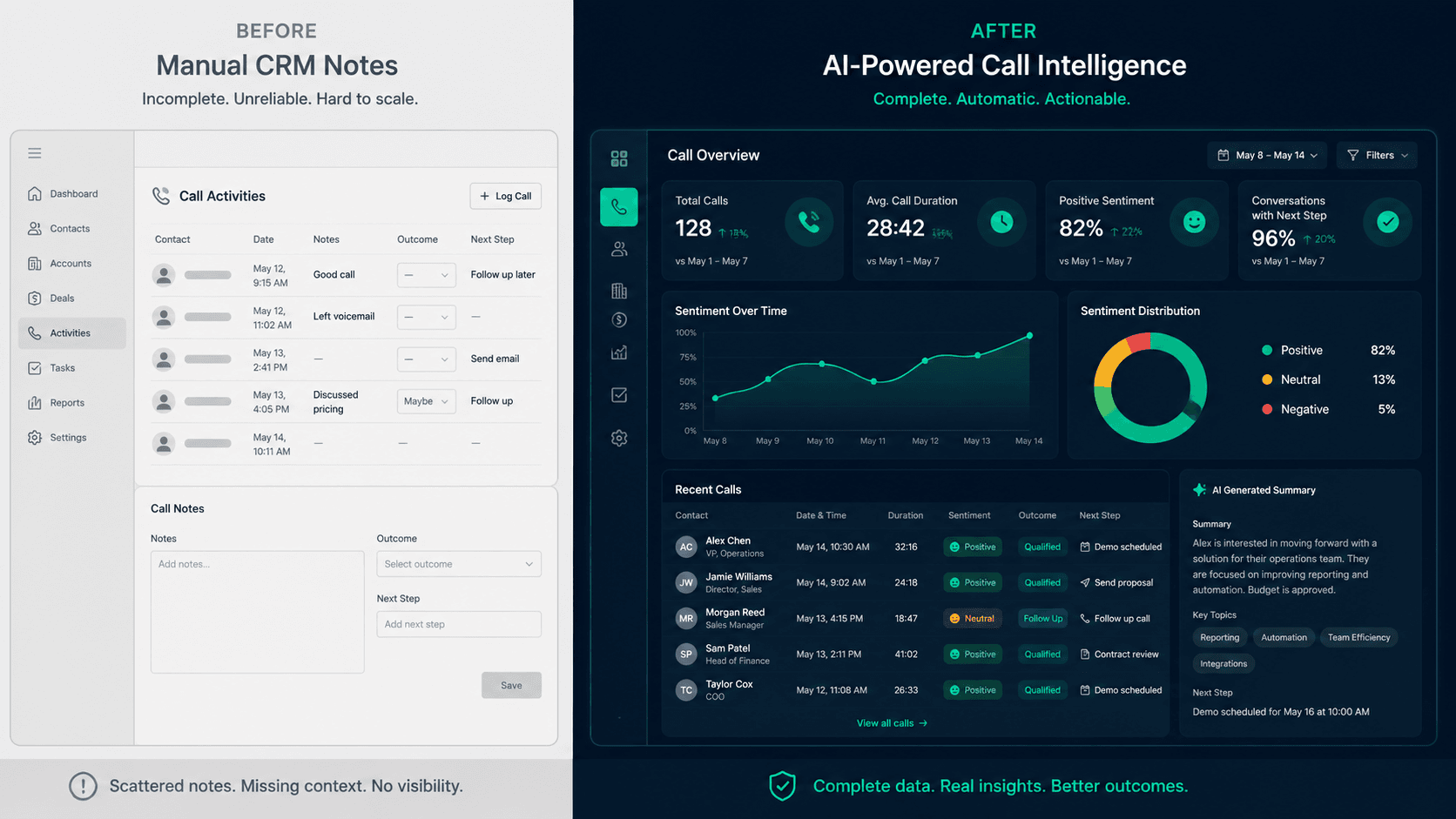
AI call intelligence changes the visibility equation. Every renewal conversation generates structured data. Patterns emerge that no human reviewer could identify across hundreds of calls. And coaching shifts from reactive, responding to lost clients, to proactive, identifying and correcting patterns before they cost the agency relationships.
For the Chicago agency, the lesson was precise: the retention problem was not about price, and the fix was not about pricing strategy. It was about a conversation pattern that AI found in two weeks of call data – that three years of monthly management meetings had never surfaced.
Ready to understand what is really happening on your renewal calls? CallVibe analyses every sales conversation automatically – surfacing patterns, coaching opportunities, and retention risks before they become lost clients. Book a demo at callvibe.ai
Frequently Asked Questions
- How quickly can AI call intelligence identify a retention problem?
CallVibe begins surfacing patterns from the first week of call data. Systemic issues – like the pricing conversation trigger described in this article – typically become visible within two weeks of full-team implementation, before they have caused further client attrition. - Will agents know their calls are being recorded and analysed?
Yes. CallVibe supports configurable consent and disclosure settings. Agents are aware that calls are captured and analysed as part of the platform’s standard operation. In practice, agents find the coaching insights from their own call summaries valuable for self-improvement. - Does it work for inbound and outbound renewal calls?
Yes, CallVibe works across inbound client-initiated calls and outbound renewal outreach. The AI analyses the conversation regardless of which party initiated the call. - Can CallVibe detect if an agent is not following the approved renewal script?
Yes, compliance monitoring is a core feature. Approved messaging frameworks and script elements can be configured in CallVibe, and the AI flags deviations in individual call summaries and on the manager dashboard. - How does CallVibe integrate with insurance CRM platforms?
CallVibe integrates with major CRM platforms including Salesforce, HubSpot, LeadSquared, and GoHighLevel. Call summaries, renewal notes, and next steps sync automatically – with no manual data entry from the agent.